
Image: Spencer Engineering
Year
2018
Project Type
Historic Vessels
Location
UK

Hull City Council has transformed the city into Yorkshire’s Maritime City, shining a light on 800 years of maritime heritage.

As part of the city-wide investment, Hull Maritime commissioned Beckett Rankine to support the restoration and conservation of the 1910s Spurn Lightship, 1960s trawler Arctic Corsair, The North End Shipyard, and the Scotch Derrick Crane.


Project overview

Beckett Rankine was appointed as the Client Engineer, Naval Architect & NEC4 Supervisor. We provided a full-service approach underpinned by technical advice and support to the clients, from condition surveys, specification of works and tendering, through to delivery and supervision of works.

Our client support included managing the restoration of the ships in the shipyards, establishing and managing the delivery of suitable dock options, as well as supervising the towing and drydocking operations. We coordinated project partners and stakeholders such as shipwrights, curators and architects across multiple phases of work for safe, efficient, and productive results.

We produced comprehensive Statements of Significant, Conservation Management Plans, and Maintenance Management Plans for each vessel. These documents outline detailed information to aid the council’s conservation management for the foreseeable future, as well as demonstrating a structured plan and the means to maintain the vessels that satisfy the requirements of Heritage Lottery (HLF) funding.

Improved public access

The vessels join Hull’s heritage trail, allowing public access as floating attractions where visitors can gain insight into life aboard the ship, its primary functions, and role in British maritime history.

We also worked closely with the council, curators and architects to improve access for all. As a result, we found novel solutions to help wheelchair users and those who may find confined spaces challenging, to get a greater perspective of the ships during their visit, while in keeping with the heritage spirit of the aesthetics and restoration needs of each vessel.

Completion

The project overcame a variety of challenges, including the Covid-19 pandemic and global politics impacting material sourcing and bureaucratic processes. Despite this, the Hull Maritime project is on track to be completed to an exceptionally high standard.
Spurn Lightship

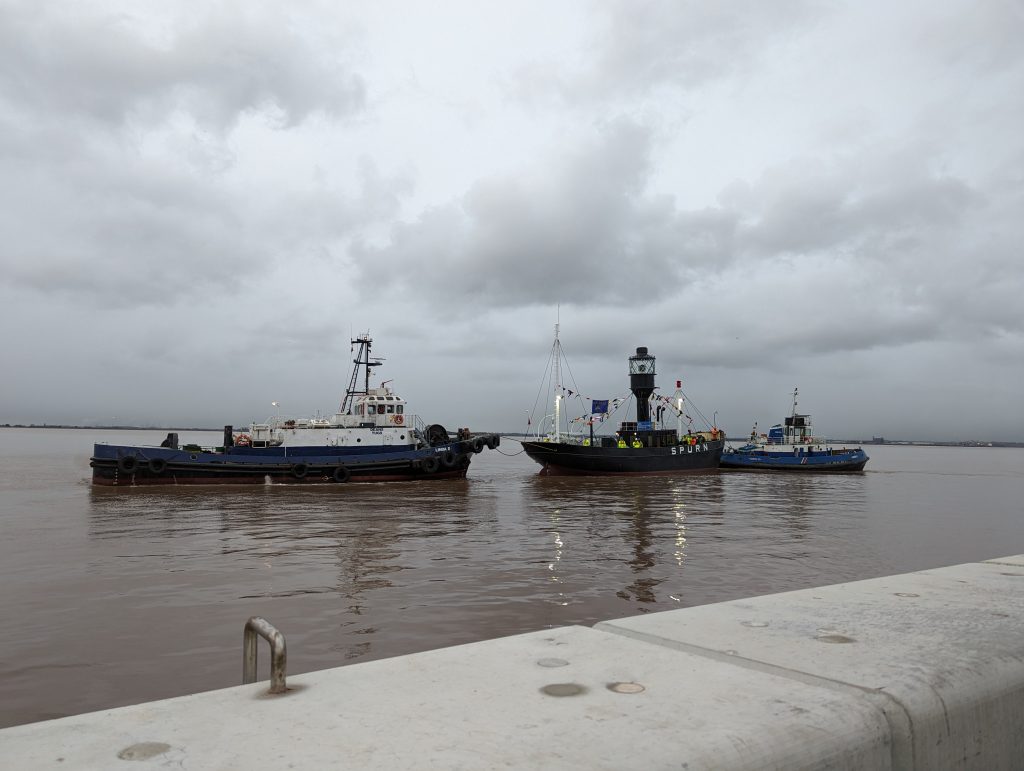
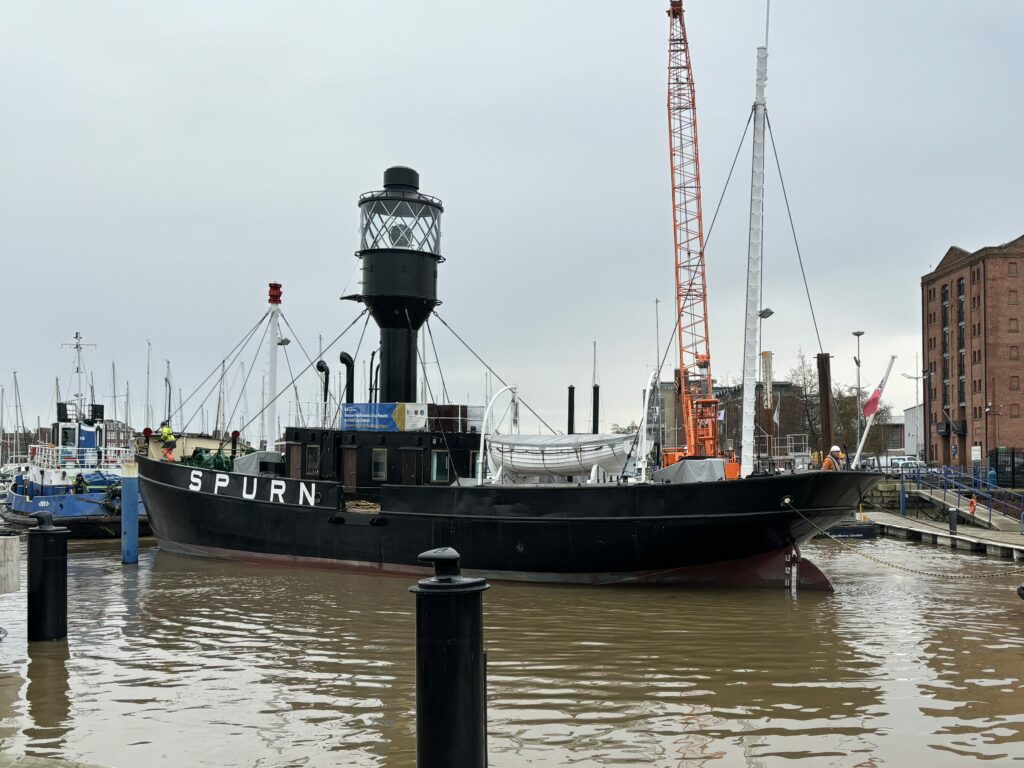
Built in the 19102 to guide larger ships navigating the treacherous River Humber, Spurn Lightship is a beloved ship at the heart of the city’s maritime story.

The vessel underwent 14 months of meticulous restoration that preserved the ship’s historical integrity, involving structural repairs and interior and below-decks refurbishment. The work also upgraded the visitor experience with improved access and interpretation, including a new way to see the Spurn Lantern up close.

Beckett Rankine provided expert support, design and project management services for the ship, its new berth and moorings, as well as producing the Conservation and Maintenance Management Plans that underpinned Spurn Lightship’s restoration and will guide its future.

Dunston Ship Repairs Ltd carried out the restoration, chosen for their local knowledge and ship repair excellence.

Spurn Lightship’s restoration won the prestigious Martyn Heighton Award for Excellence in Maritime Conservation 2023, awarded by National Historic Ships UK.

It moved to its final home in February 2024 and re-opened to the public in March 2026.

Click to enlarge images.


Arctic Corsair

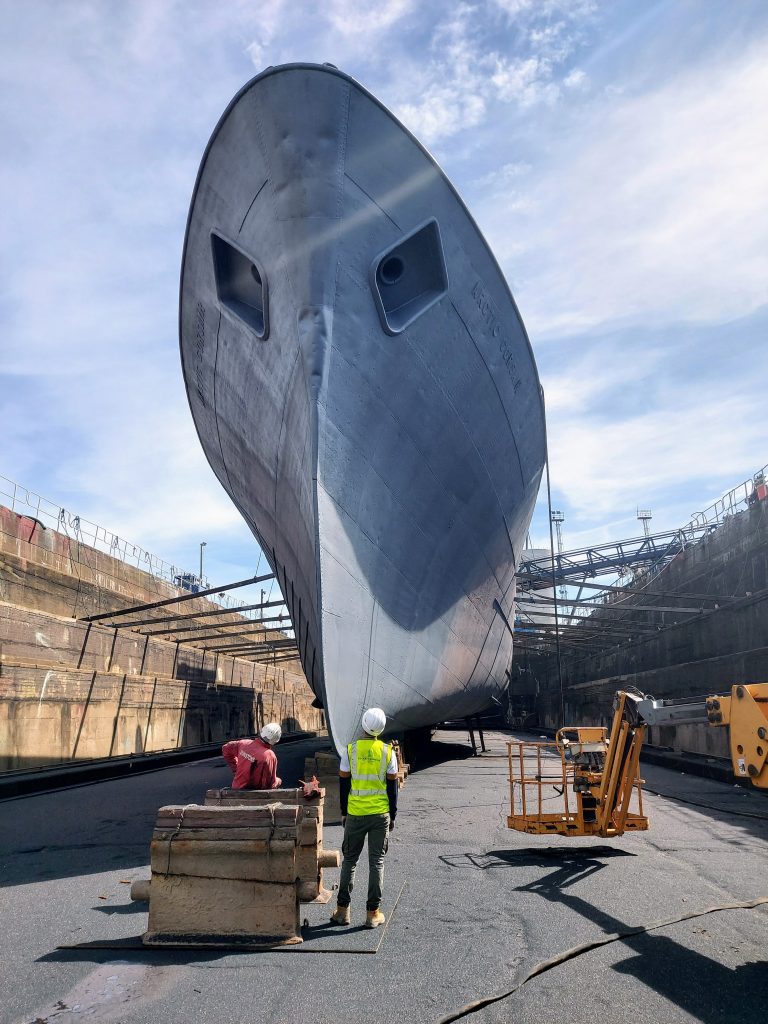
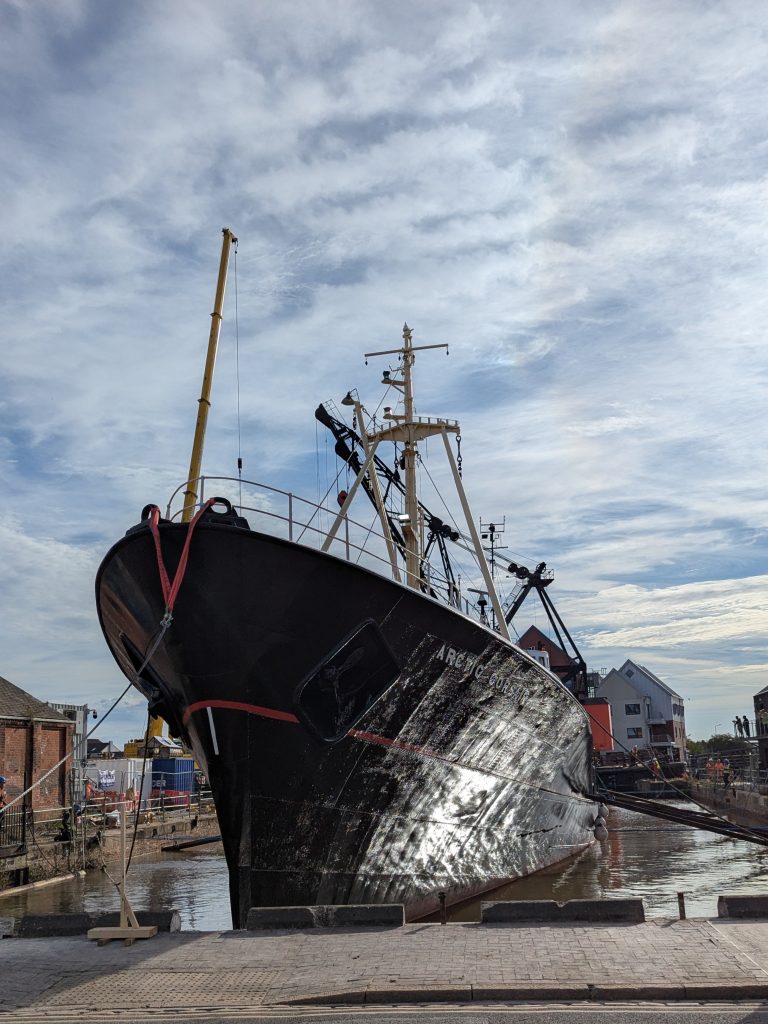
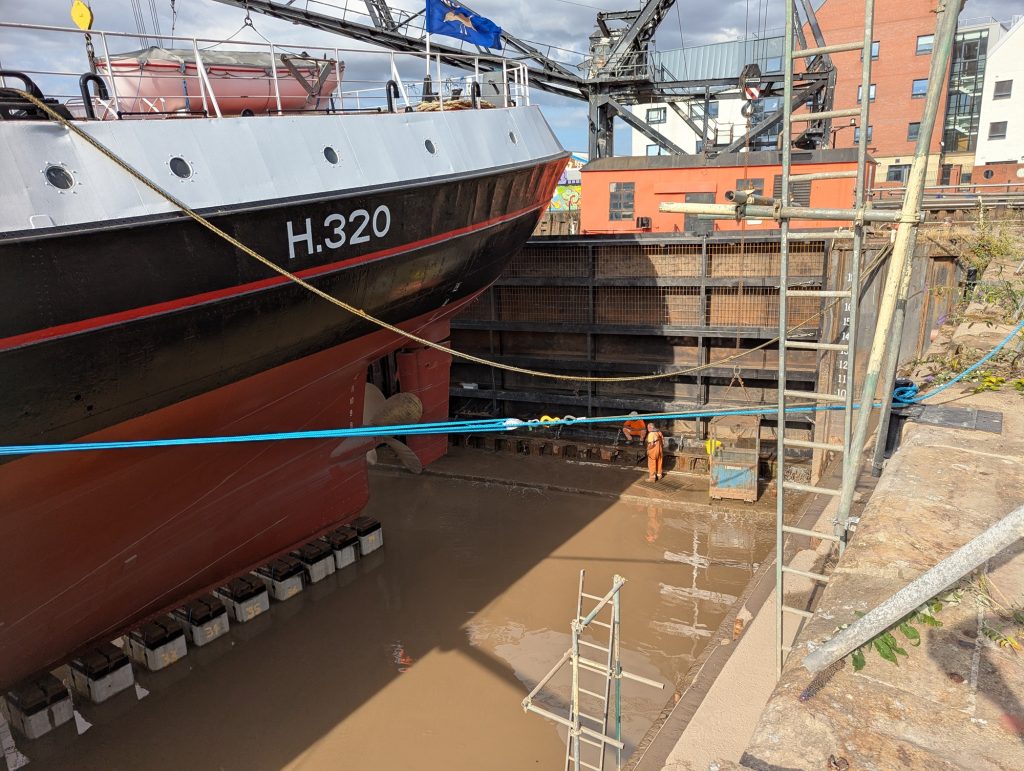
The Arctic Corsair is a 1960s distant-water, sidewinder trawler – one of the last surviving to sail from the UK and the only one currently accessible to the public. The vessel was part of the city’s deep-sea fishing fleet, travelling long distances to Iceland and Newfoundland, and it even participated in the Cod Wars. Retired in 1987, it then opened to the public as a visitor attraction in 1999.

In 2018, Arctic Corsair closed to the public so that its restoration could begin. The collaborative project brought together the shipyard, engineers, and curators to create an innovative and balanced approach to conservation. 

We produced a set of specifications that balanced the complexities of preserving heritage material with maintaining the vessel’s structural integrity, while navigating the near non-existent standards or codes related to ships that no longer require class or operate as commercial assets. 

The restoration, carried out by Dunston Ship Repairs Ltd, involved:

  • Replacing and re-caulking the timber decks;
  • Blasting and repainting all steel structures;
  • Sympathetically restoring the crew quarters and bridge;
  • Removing asbestos from the entire ship;
  • Preserving the engine and machinery spaces as original;
  • Fixing radar scanners, flashing lights and search lights so that they can rotate and illuminate, without functioning; and
  • Polishing and restoring the original propeller.

The work also introduced accessibility improvements without disrupting Arctic Corsair’s heritage value and aesthetic. For instance, the ship now has level deck access and a viewing portal into the engine room that would otherwise be inaccessible. There is also a new lift concealed within one of the original fish hold hatches and shafts, allowing visitors with reduced mobility to access the lower deck and viewing portal without altering the structure or fabric of the ship.

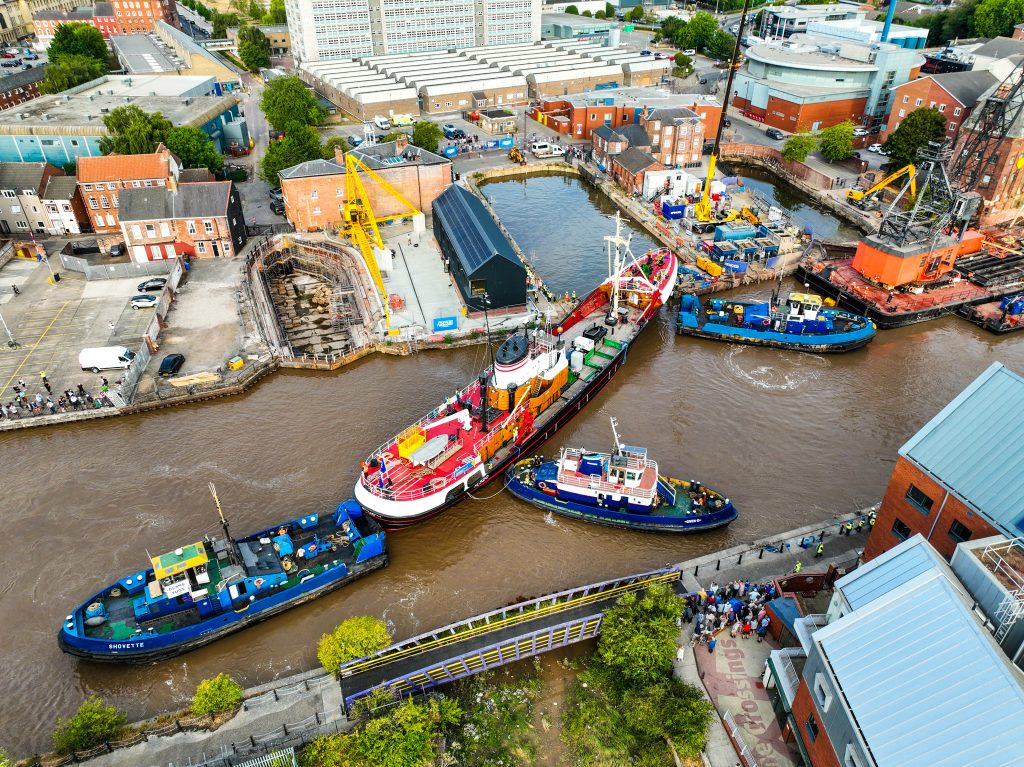
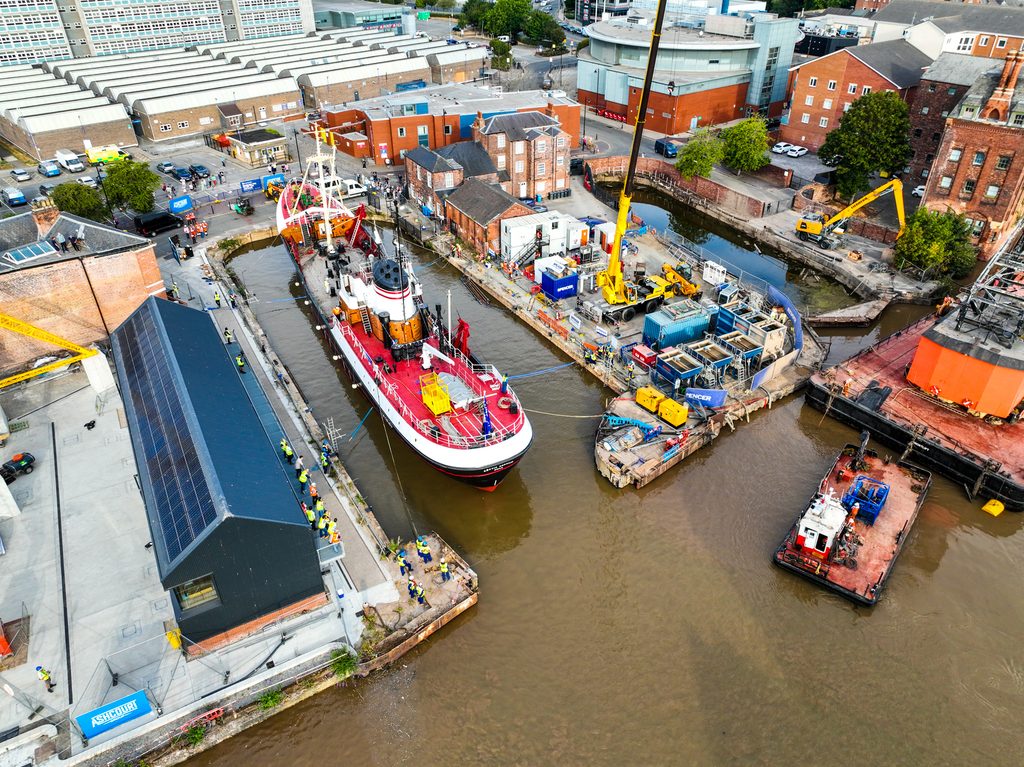
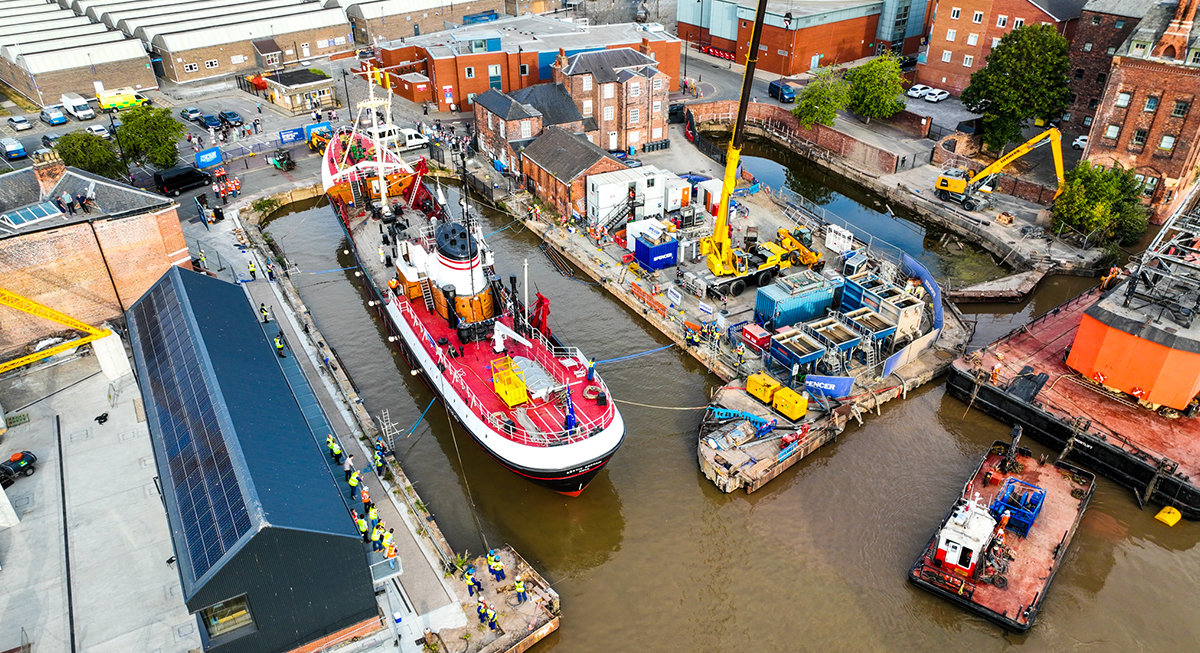
In our role as Client Engineer, we also supported Hull Maritime in delivering the towage and berthing operation. This required careful coordination between project stakeholders to ensure the vessel’s successful relocation and long-term preservation.

Click to enlarge images.


North End Shipyard

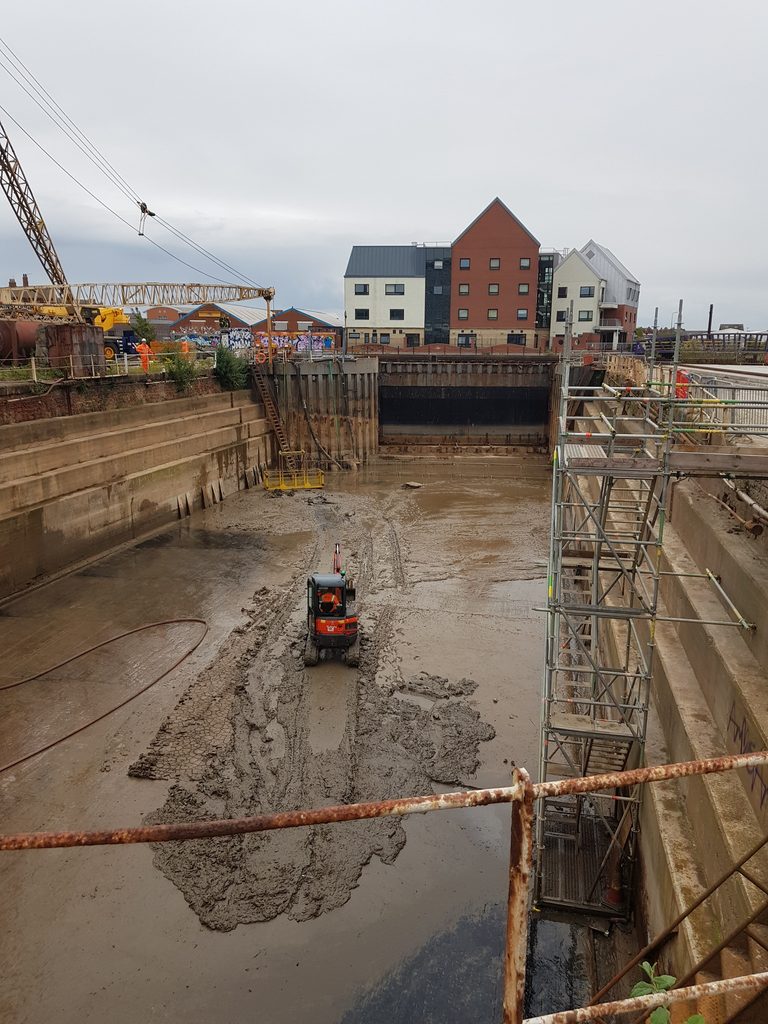
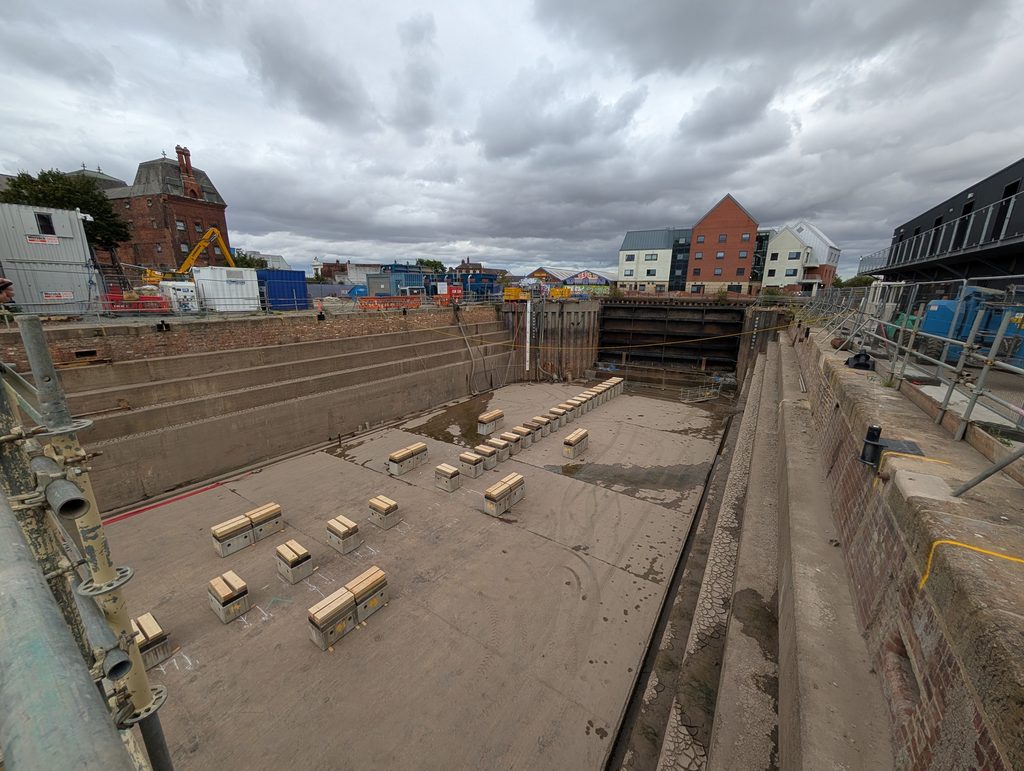
Beckett Rankine played a key role in securing the North End Shipyard as the Arctic Corsair’s permanent home, with particular focus on the gate replacement and dredging works. From the outset, we developed the concept design and defined the scope of works required to progress the project through procurement and construction.

The project presented complex challenges, requiring close coordination between multiple landside contractors, the shipyard operator, and the vessel owner. Acting as the NEC4 Supervisor, we ensured compliance with the Works Information, monitored quality standards, and oversaw the safe delivery of the works. The scope included removing a historic lock gate, temporarily installing a stoplog system, and permanently closing the dry dock through concrete backfilling after the vessel successfully berthed.

We oversaw the dredging works by Spencer Engineering Group that provided a safe navigational passage and access for the dock gate replacement. The operation removed approximately 3,500m2 of silt from the River Hull, using advanced water treatment systems to ensure the water is effectively treated and returned to the river. 

Spencer Engineering also removed the old lock gate and installed its replacement once Arctic Corsair was safely berthed, sealing the vessel in permanently.

Click to enlarge images.


Scotch Derrick Crane

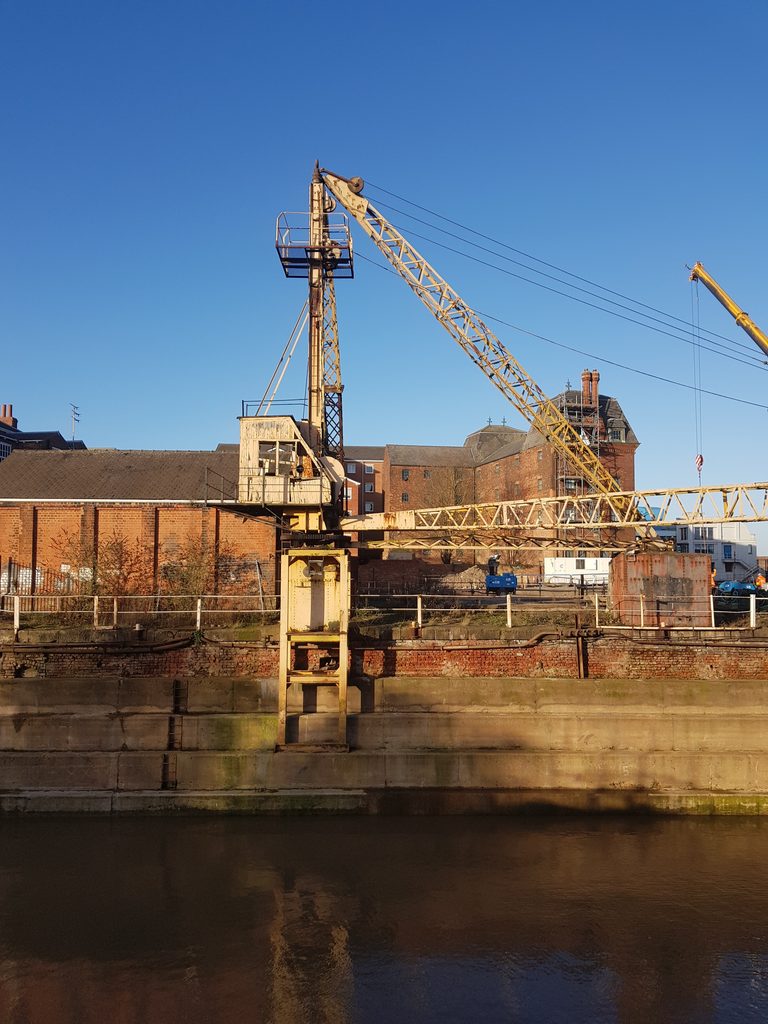
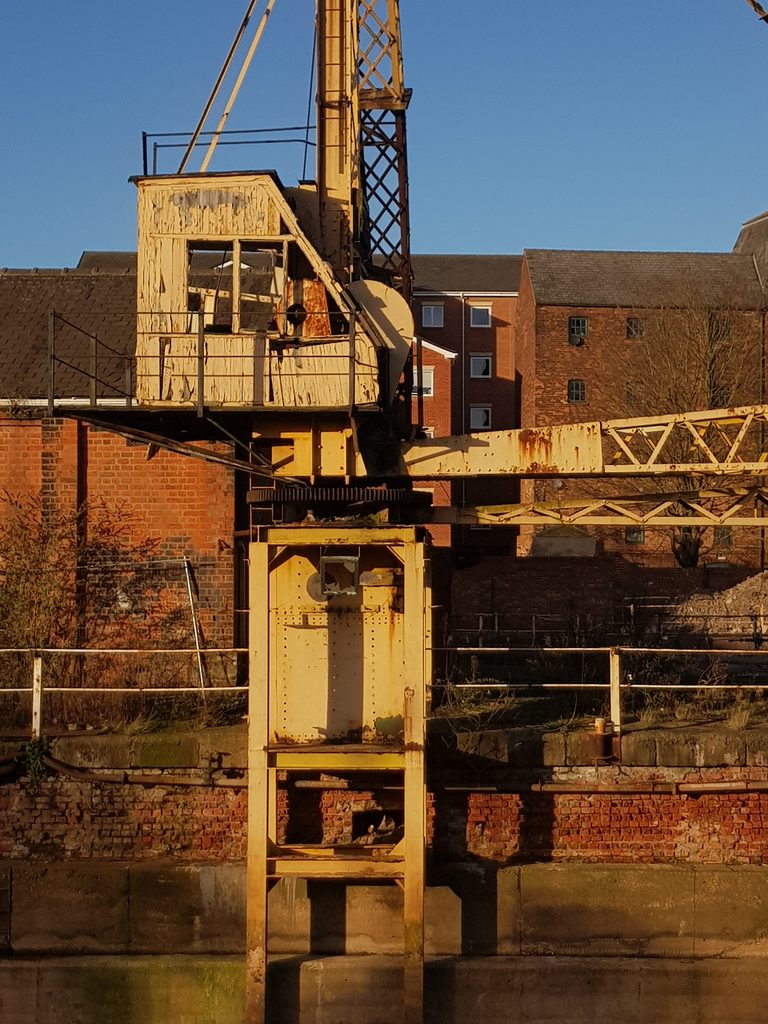
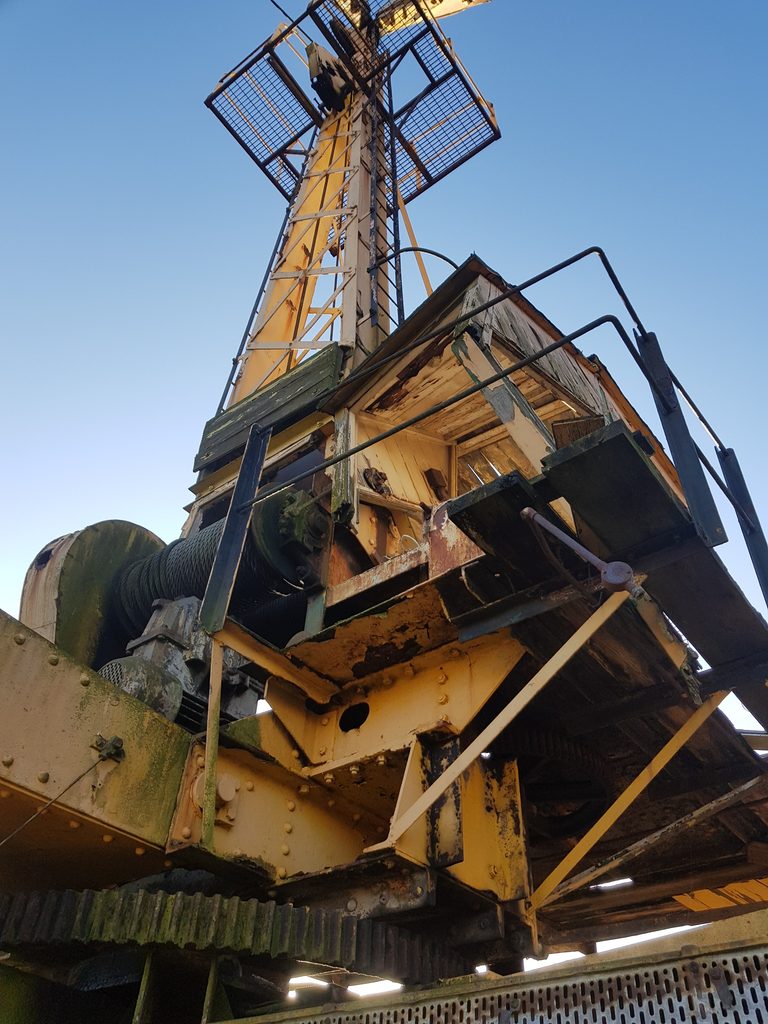
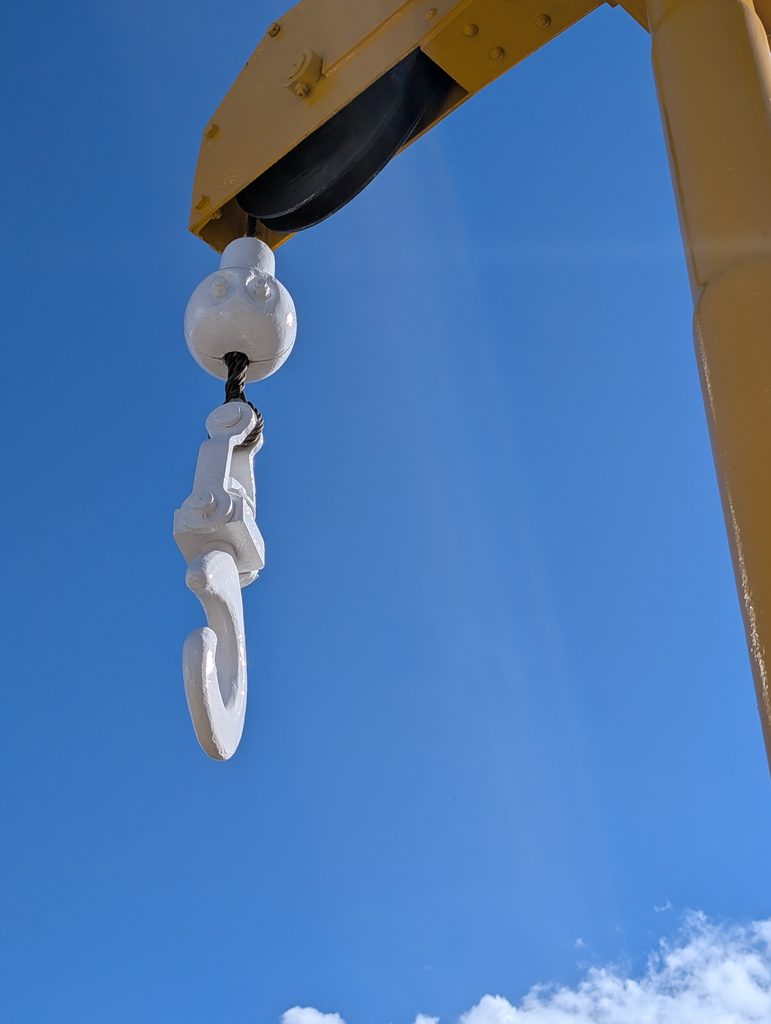
Standing at 17 metres tall with a 30-metre boom, Hull’s last Scotch Derrick Crane is believed to have been installed in the late 1950s.  

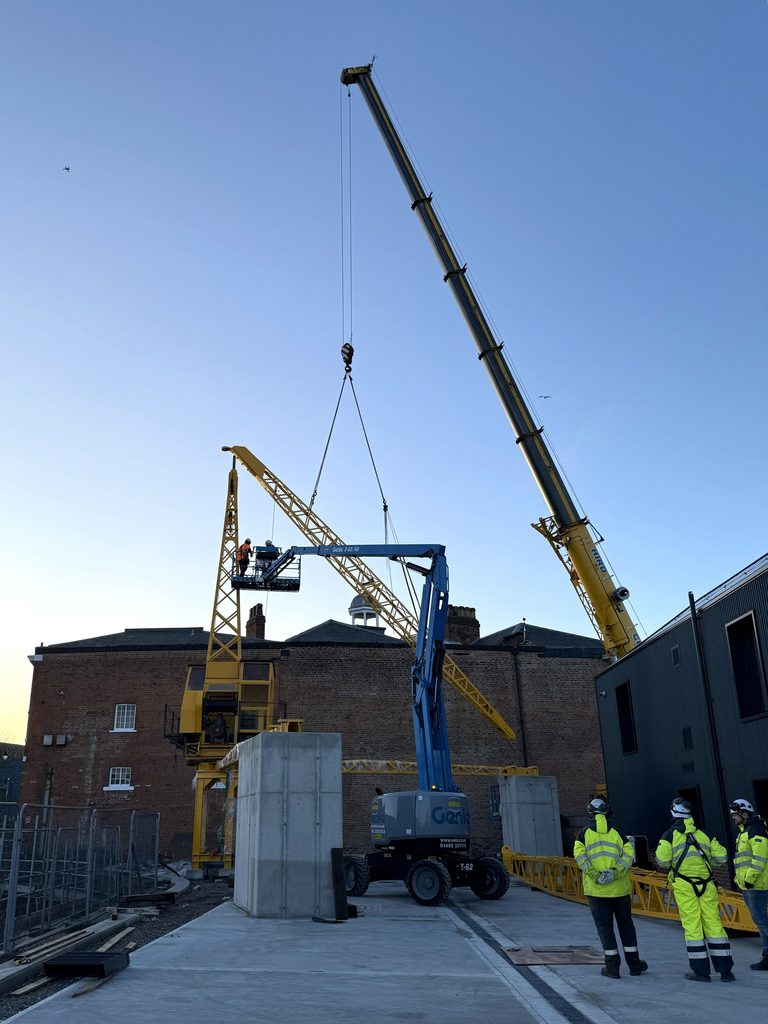
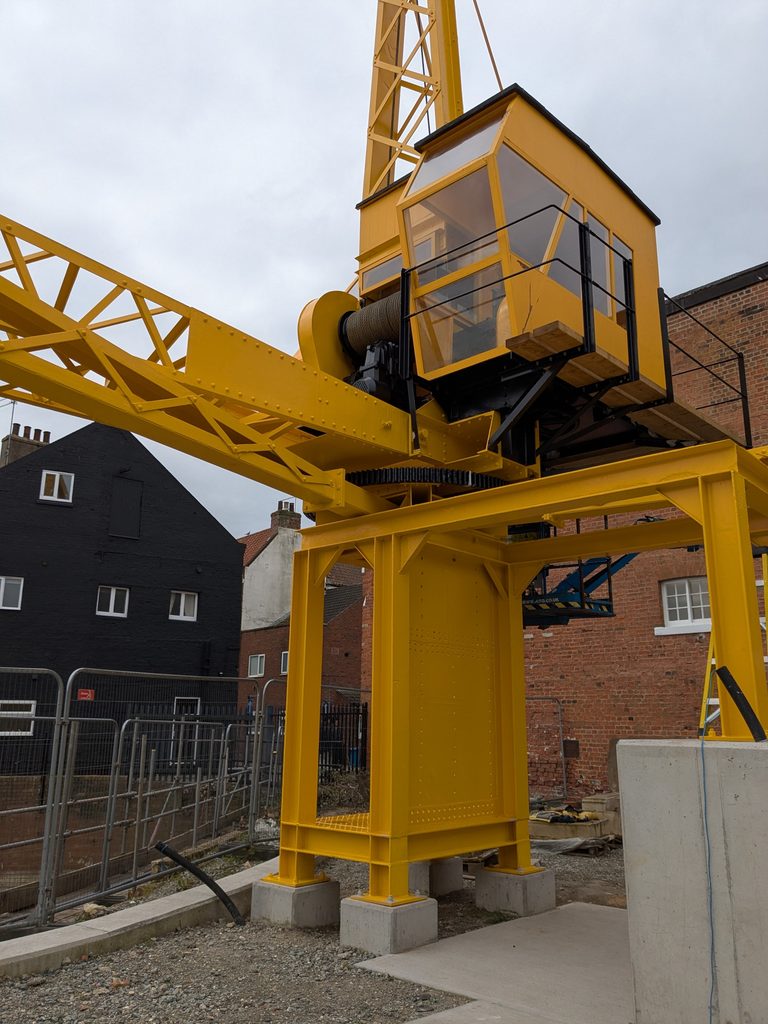
After Beckett Rankine conducted a comprehensive survey of the crane, we created a specification of works for its repair and installation and informed the conservation plan that will protect its future. We also supported the tender process, which was awarded to Mona Lifting, and supervised the works.

The Scotch Derrick Crane was restored and reinstated on the North End Shipyard dockside in 2025, taking pride of place beside Hull Maritime’s newly opened visitor centre.

Click to enlarge images.