

1888
–
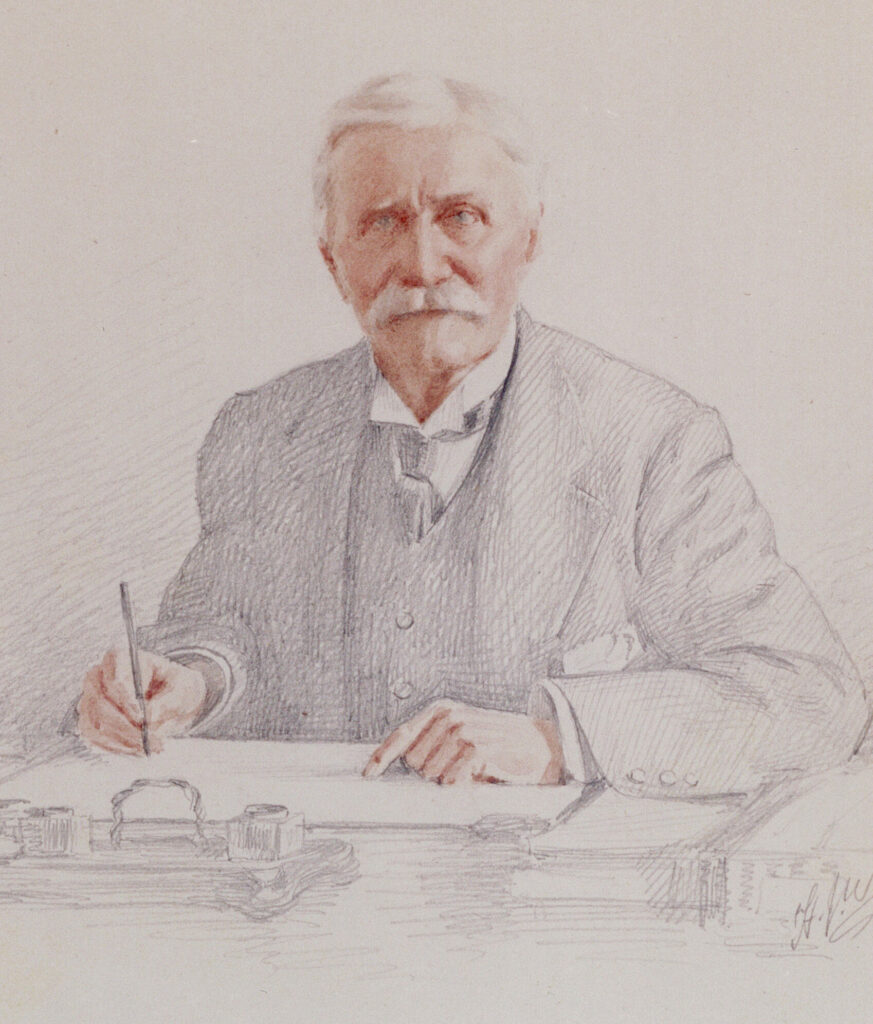
Robert White joins Sir George Barclay Bruce’s firm as partner
Sir George Barclay Bruce was a prolific railway engineer who worked extensively on the East India Railway. His career had begun with an apprenticeship under Robert Stephenson, opening his own practice in 1856. Sir George was president of the Institution of Civil Engineers in 1887 and 1888.
Robert White is the great-grandfather of Beckett Rankine founding director, Gordon Rankine. Robert had also specialised in railway engineering; he joined the Great Southern of India Railway as an assistant engineer and rose to chief engineer.
The firm would later be renamed Robert White and Partners.
1919
–
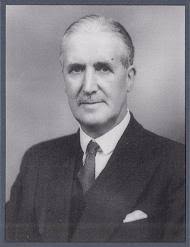
Bruce White joins the firm
Son of Robert, Bruce joins the practice after serving time in World War 1 as a Major of the Royal Engineers.
During his service, he was engaged in the construction and operation of the train ferry terminal, shipyards, and workshops of the Army’s highly secretive Richborough Port in Kent, which shipped arms and supplies to the forces in France.
1923
–
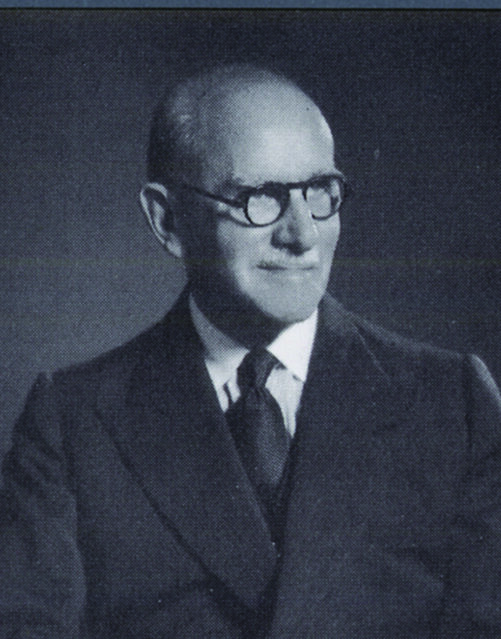
Colin White joins the firm
Joining his father and brother, Colin became a partner after gaining experience on India’s ports and railways.
Colin’s paper on Madras Breakwater Head is published by the ICE in 1926.
1939-45
–
Role in World War 2
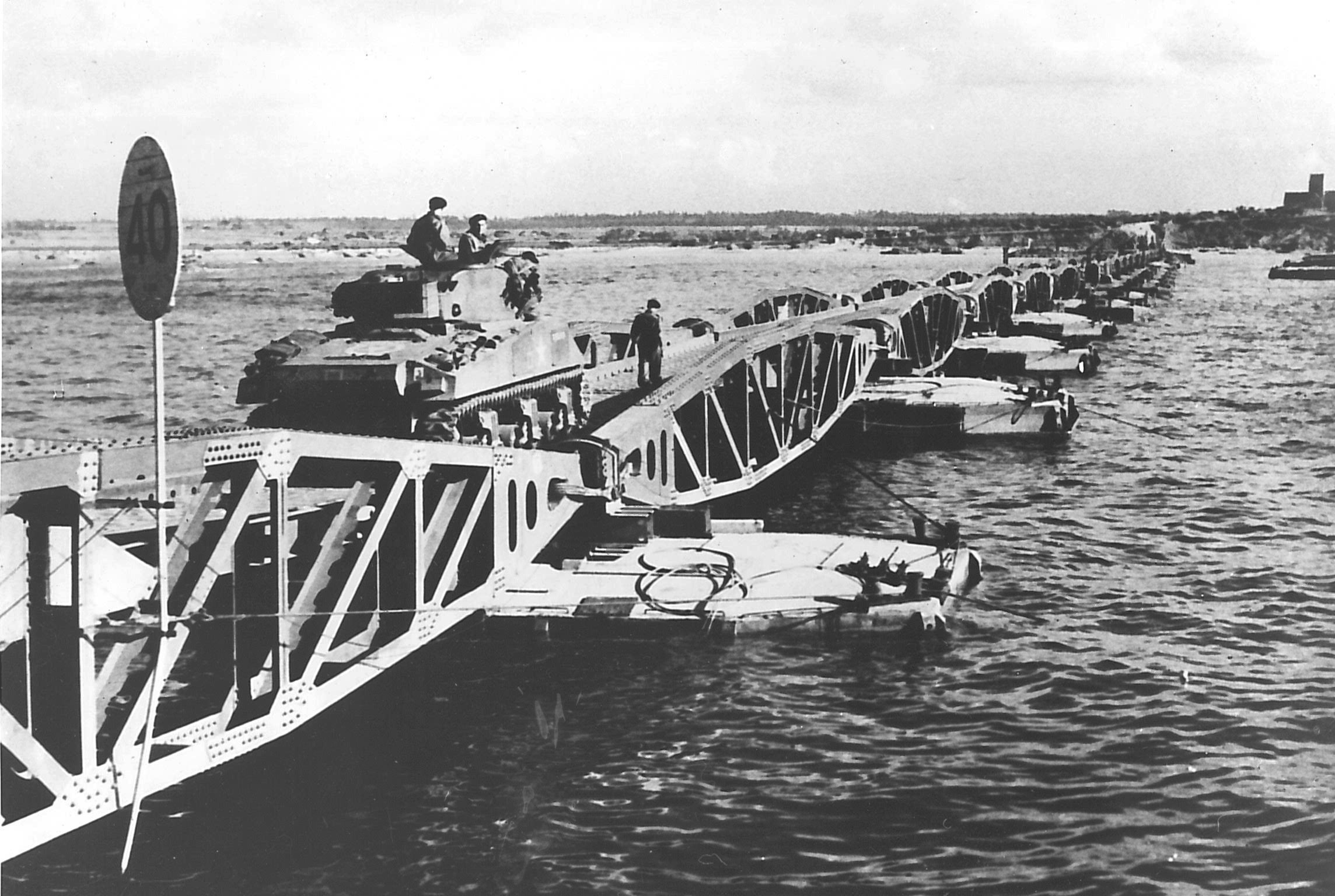
The firm and its staff play a leading role in the planning, renovation of and modifications to ports around the UK and later in continental Europe, both during and after the war.
Bruce White was appointed Director of Ports and Inland Water Transport for the War Office during World War 2.
The most significant engineering feat carried out under Bruce’s leadership was the conception and delivery of the Mulberry Harbours, a series of pre-fabricated floating harbours that played a key role in offloading Allied troops, vehicles and cargo. Colin White chaired the committee.
Bruce White was knighted in 1944 in recognition of his part in WW2.
1941
–
Robert White & Partners merges with Sir John Wolfe Barry & Partners
Sir John Wolfe Barry, the engineer responsible for Tower Bridge’s construction, had practised alongside Henry Brunel, son of Isambard Kingdom Brunel, since the 1870s.
Over the years, their firm had evolved multiple times until becoming Sir John Wolfe Barry & Partners.
Following the merger, the firm became Wolfe Barry, Robert White & Partners.
1946
–
The firm evolves into Sir Bruce White, Wolfe-Barry and Partners
This came after amalgamating with another notable engineering practice, A.J Barry, Cochrane & Partners.
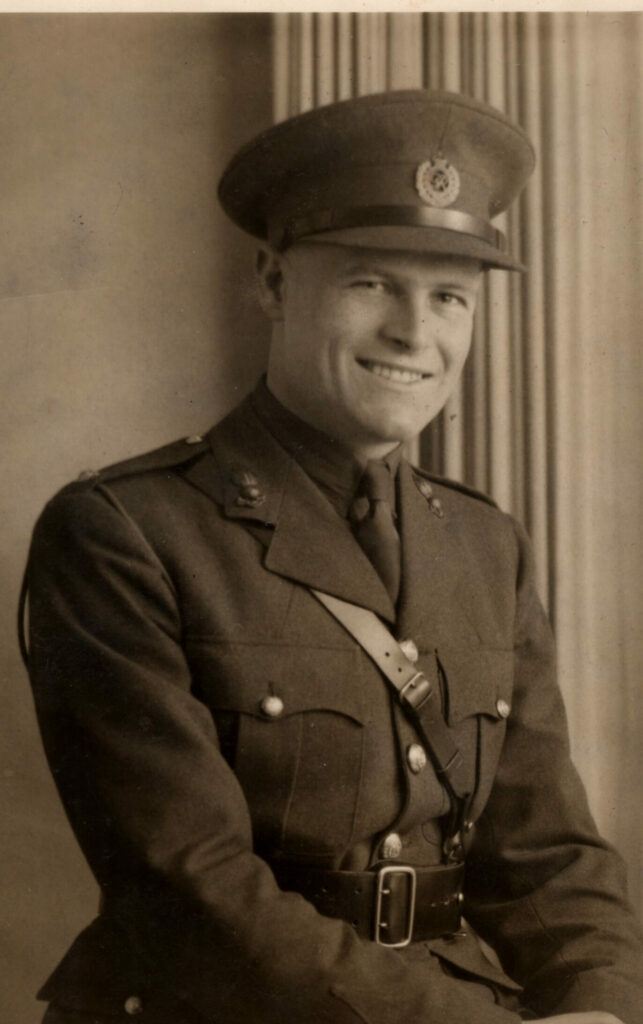
Allan Beckett joins as partner the same year, having worked closely with Sir Bruce on the design and assembly of the Mulberry Harbours.
Allan Beckett is the father of Tim Beckett, a founding Director of Beckett Rankine.
Significant projects include:
- Hull Restoration
- The Port of Singapore
- Bombay Marine Oil Terminal
- Tilbury Berth 39 Container Terminal
- Penang Ferries
- The Port of Dammam
1985
–
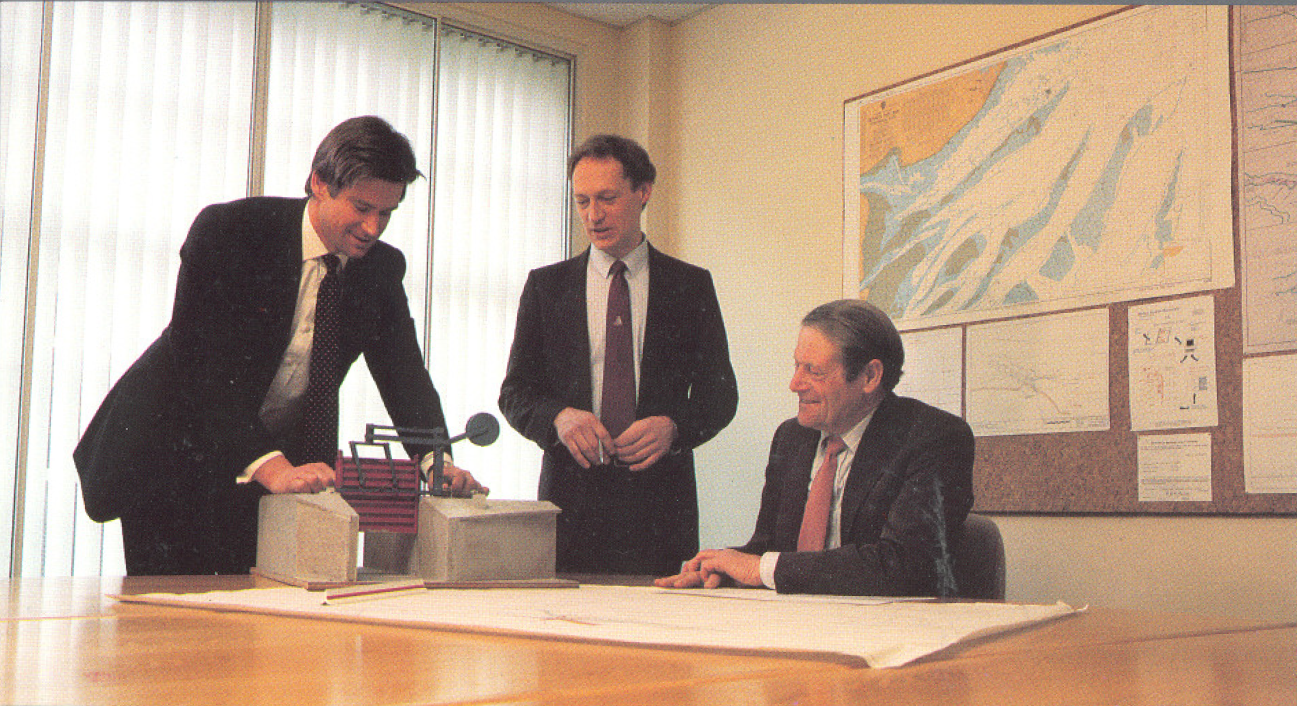
Beckett Rankine is incorporated
Gordon Rankine and Tim Beckett join forces with Allan Beckett to launch ‘Beckett Rankine Partnership’.
They co-led the company until Allan Beckett’s retirement.
2009
–
Beckett Rankine opens office in India
Due to extensive work in the country, an office is opened in Mumbai to provide responsive services.
Key projects included:
- Bhavnagar
- Mumbai Lighterage
- Kerala Backwaters
- Bhavanapadu
The office was closed in 2012.

2020
–
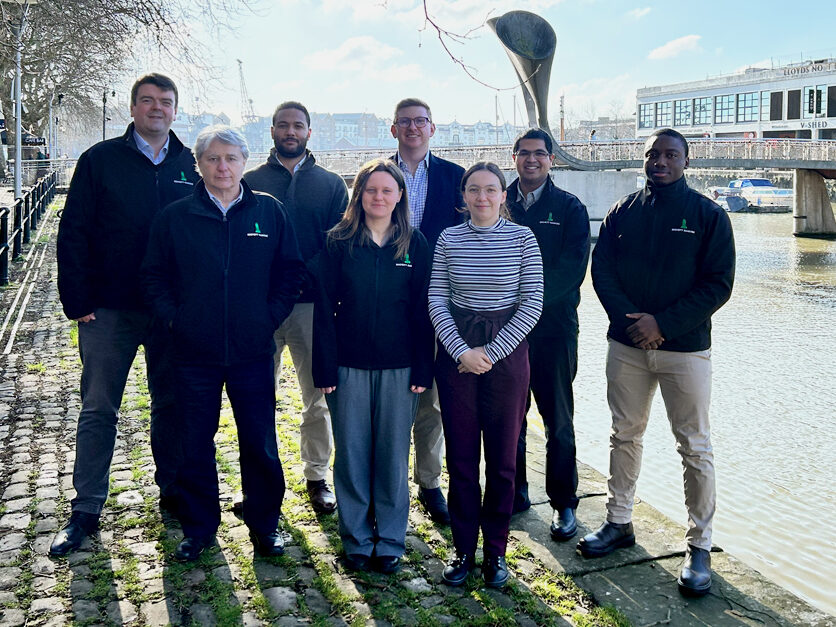
First regional office opens in Bristol
Led by then-Principal Engineer James Smith, the team has grown to represent 25% of the company’s workforce.
2023
–
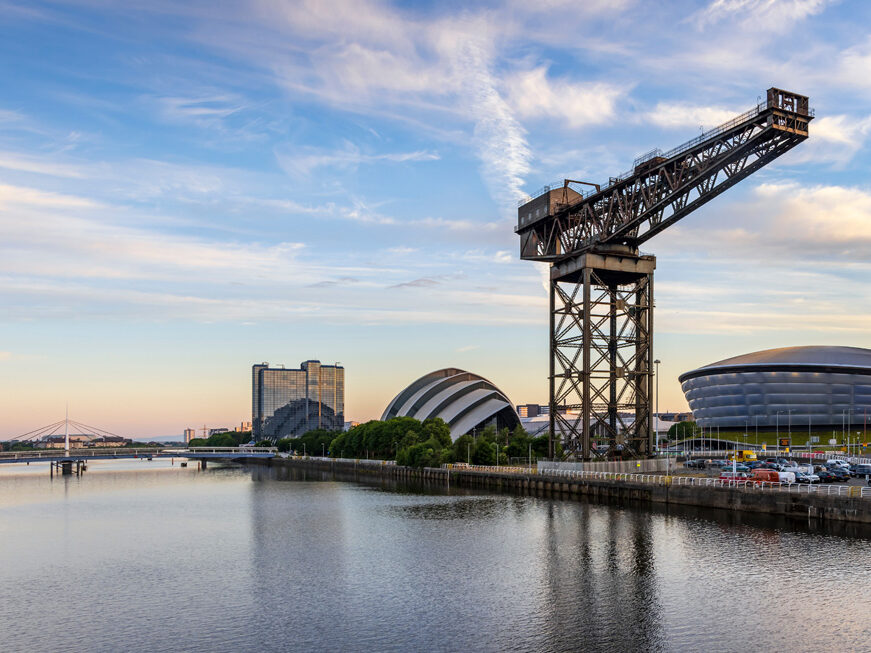
Scottish branch opens in Glasgow
Headed up by John Monasta, Associate Director and lead Naval Architect.
Feb 2025
–
James Smith joins the helm as Director
The first to be promoted to Director since Beckett Rankine incorporated in 1985.

Nov 2025
–
Beckett Rankine celebrates 40 years in business
The occasion is marked by a celebration event hosted at the Institution of Civil Engineers.
More on 40 years of Beckett Rankine